Animals and plants
For certain animals and plants, the Swiss border means: Stop!
Are you planning to bring back an exotic snake from your holiday in Asia? Or to import rare flowers from South America? Such plans can be risky, because Switzerland applies strict regulations to safeguard biodiversity and prevent the introduction of diseases and invasive species.
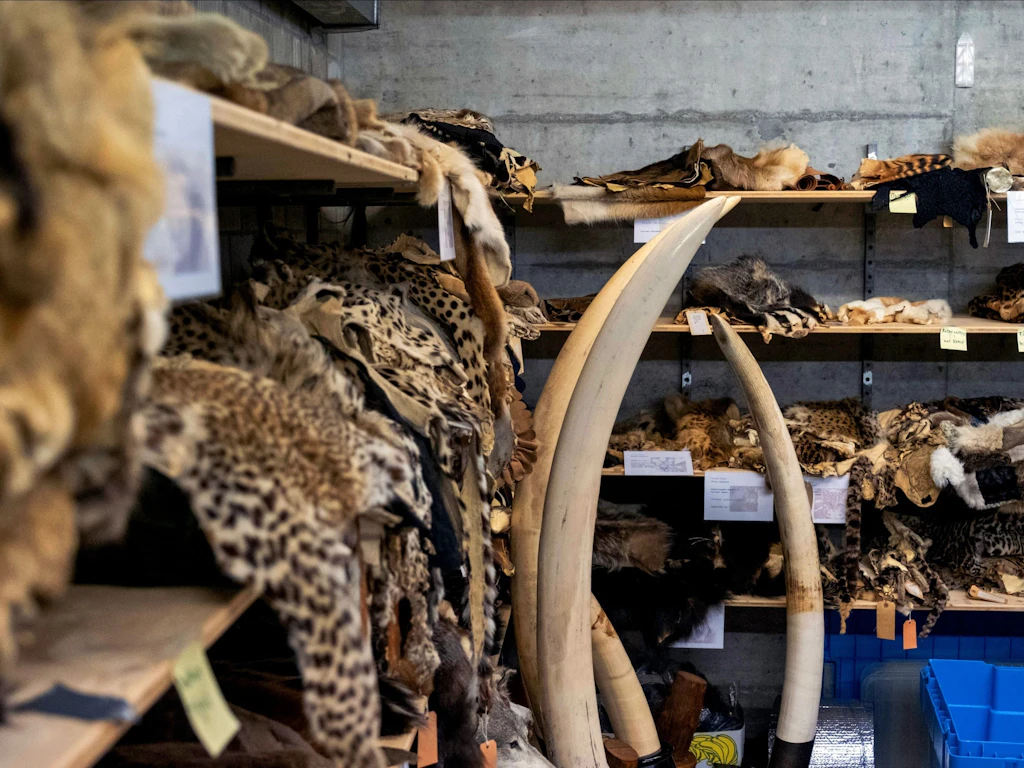
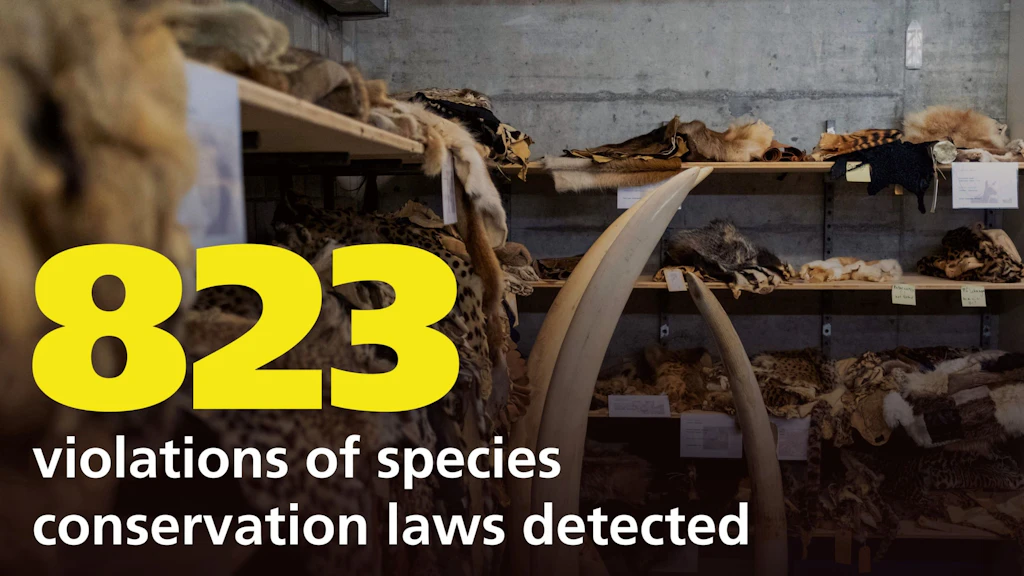
The protection of animal and plant species is an integral part of border controls. The import of specimens of protected animal species covered by the Washington Convention on International Trade in Endangered Species of Wild Fauna and Flora (CITES) is permitted only under certain conditions or is entirely prohibited. International trade in these specimens is strictly regulated, and their import for commercial purposes is subject to authorisation. In some cases, import for private use is entirely prohibited.
The import of fruits and vegetables from third countries (outside the EU and EFTA) is also largely prohibited, with the exception of pineapples, coconuts, durians, bananas and dates.
These measures are designed to protect the Swiss population, environment and the economy.
In addition, the FOCBS identified 2,156 consignments containing prohibited plants, fruit, vegetables, cut flowers, cut foliage or seeds from third countries (outside the EU and EFTA).