
Common Transit Procedure (CTP)
The common transit procedure (CTP) allows for the cost-effective transport of uncleared goods through multiple countries.
The transit procedure is processed via the “Passar” goods traffic system.
More information
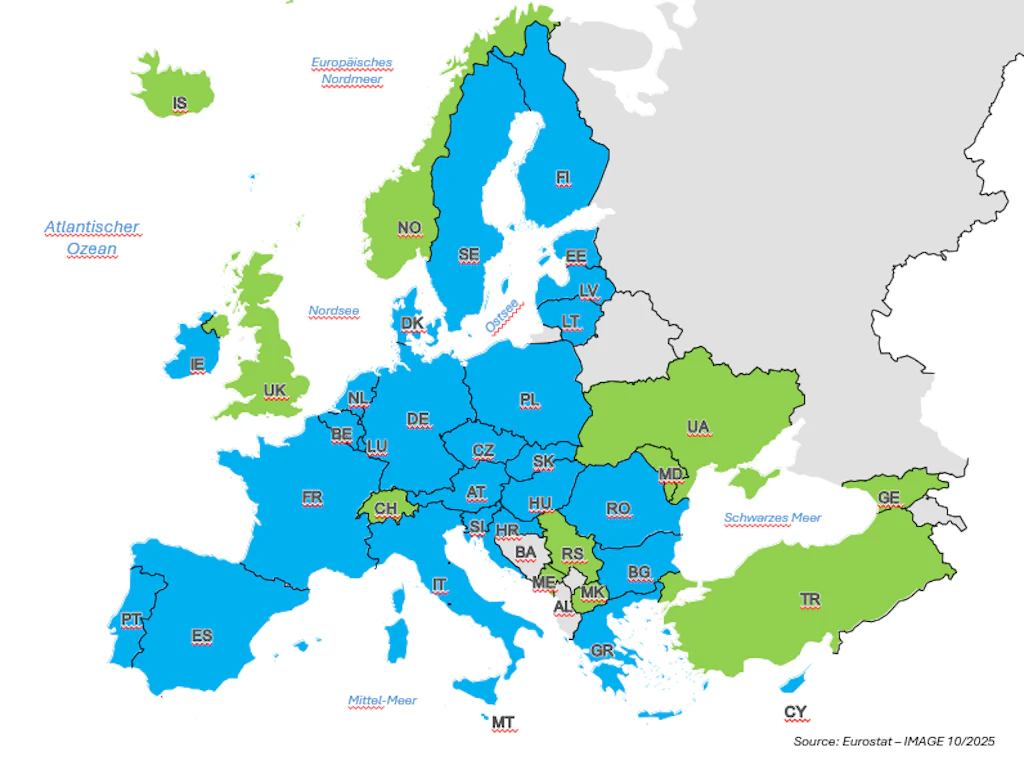
The common transit procedure (CTP) is currently used for all modes of transport in Iceland, Norway, Switzerland, EU countries, Turkey, the Republic of North Macedonia, Serbia, the United Kingdom of Great Britain and Northern Ireland, Montenegro and Moldova.
In the transit procedure, the customs status of the goods in the EU customs territory is indicated. T2 goods are those in free circulation within the EU (also called Union goods), while T1 goods are uncleared.
In order to guarantee the taxes and duties in the transit procedure, you must provide security. You will find the application form below under “Forms”. For more information on securing taxes and duties, see directive 14-01, section 6 "security" (available in French, German and Italian).
The common transit procedure (CTP) regulations and processes are set out in directive 14-01 (available in French, German and Italian). See also below under legal frameworks.
How the common transit procedure works
The standard transit procedure is carried out in Switzerland exclusively electronically using the goods transit declaration in the Passar goods traffic system.
After the transit data has been sent to the Passar goods traffic system by the holder of the procedure (transit declarant) or their representative, the reference number (MRN) of the transit procedure must be linked (referencing) to a transport declaration (declaration of the means of transport). This activates the transit goods declaration, opens the procedure and generates the transit accompanying document. This document (respectively the MRN/barcode) must be presented at the border crossing to record the border entry or exit of the goods and at the customs office of destination to complete the procedure.