
Bans, restrictions and authorisations
It prohibited to import, export and transit with certain goods and products; these may be brought across the border only on a restricted basis or with a permit. Examples include narcotics, protected animals and plants, and weapons.
The measures serve to protect the Swiss population, the environment and the economy. Additional information is available at the following links:
Animals and plants
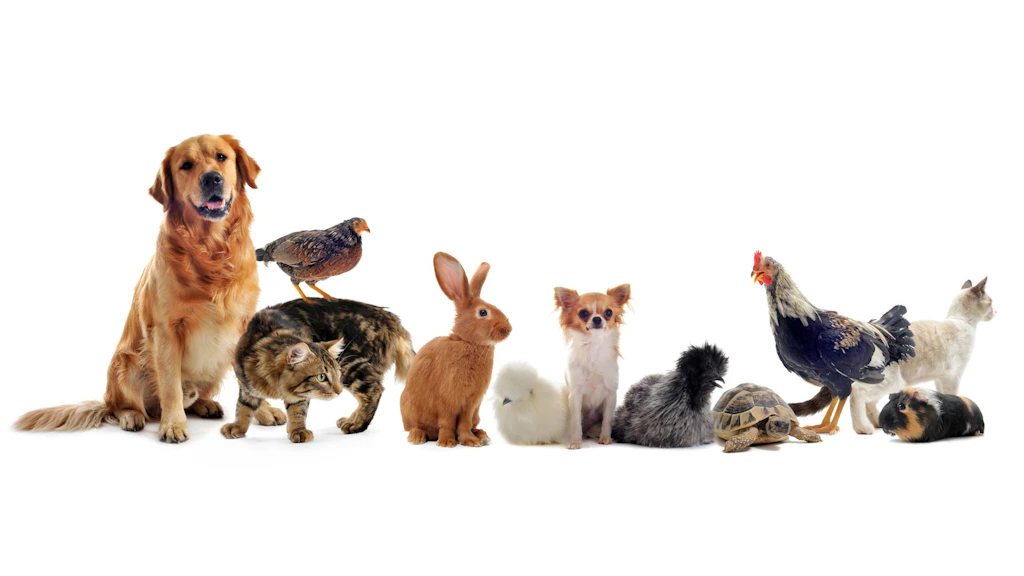
Do you want to go away on a trip with your domestic pet or purchase exclusive souvenirs, plants or foodstuffs for yourself and your friends at home? Then it is best to find out before you leave what is permitted or which authorisations must be obtained.

Notes and coins, foreign currencies, bearer negotiable instruments
You can carry unlimited amounts of cash, foreign currency, and securities into Switzerland without declaration. Above CHF 10,000, you may be asked for information. Checks may occur in cases of suspicion or exceeding this limit.

Weapons
The page explains the notification requirement for weapons, ammunition, and their parts when crossing the Swiss border. It covers the different categories of weapons, including prohibited ones and those needing permits, along with customs regulations.

Pyrotechnic items (fireworks)
This page outlines the Swiss regulations for importing pyrotechnic items. It details the categories of fireworks and the permits required for both private and commercial use. Import restrictions and possible penalties for violations are also discussed.

Narcotics and drugs
Protecting the population from health hazards and preventing unlawful use requires strict regulations for narcotics. Learn more about import rules and the role of customs authorities in monitoring.

Transfer of Cultural Property Legal Individuals
The transfer of cultural property is crucial for protecting cultural heritage. This article explains what qualifies as cultural property and the legal requirements for importing and exporting cultural property in tourist traffic.

Product Piracy and Counterfeiting
Importing or exporting counterfeit trademarks and designs into or from Swiss customs territory is prohibited. Cross-border counterfeits are confiscated and destroyed. Further information is available at the Institute of Intellectual Property.

Medicines (medicinal products) and doping
Information on medicines and doping substances online, import risks, and legal regulations in Switzerland. Specific guidance on melatonin and DHEA.

Radar warning devices
Radar detectors are prohibited in Switzerland. Use or sale leads to confiscation and fines. Contact the Federal Roads Office for more information.

Citizens' band radio (CB radio)
Citizens' band radio (CB) is used in Switzerland for private, non-commercial communication within the 27 MHz band and does not require a license as long as the devices comply with Swiss standards.
.JPG.jpg?auto=format)
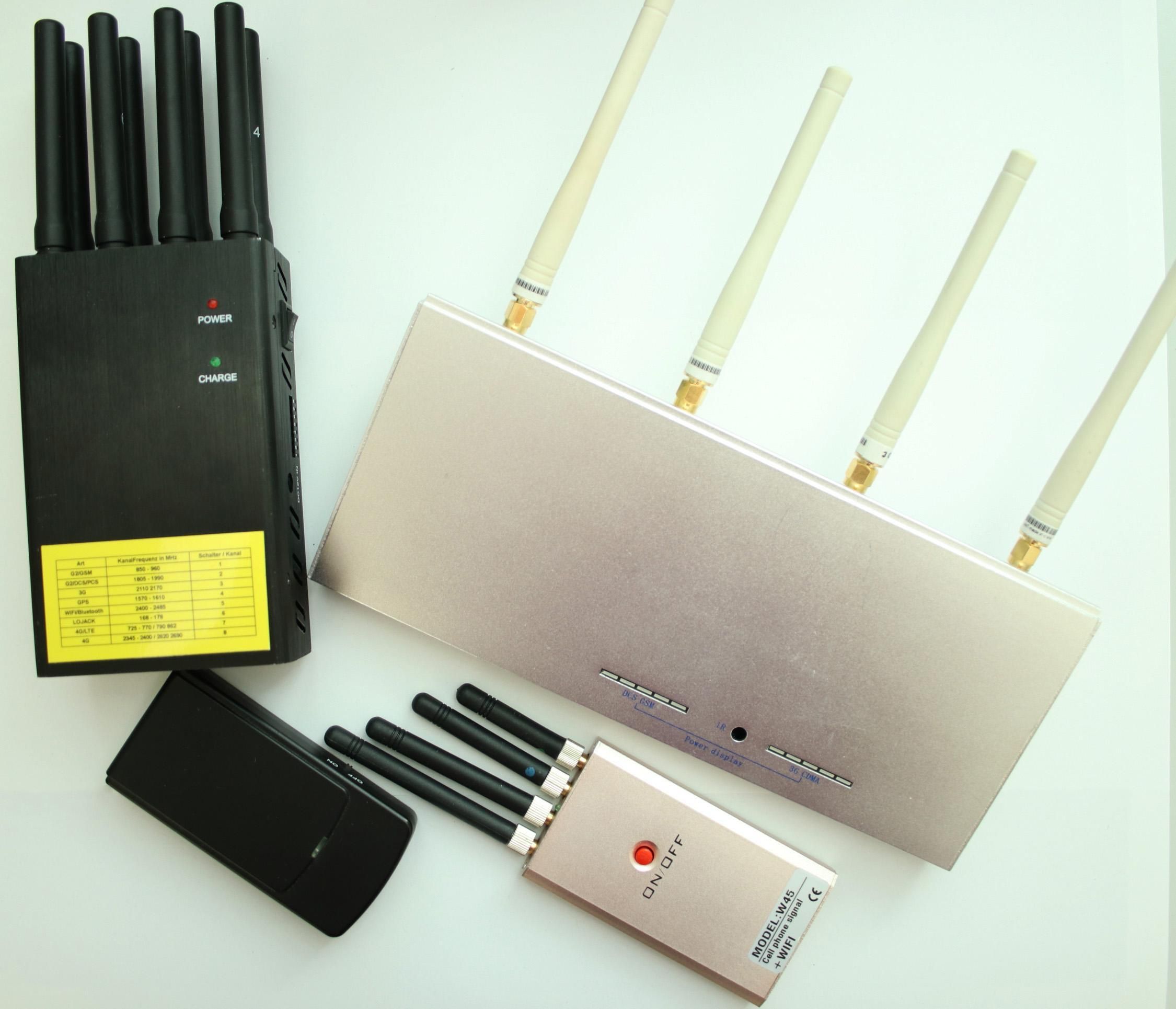
Non-compliant telecommunication equipment
Telecommunications installations and electrical appliances that do not comply with Swiss regulations must not be sold or used. A list of these non-compliant devices is available to prevent their sale and use. Ensure you are informed about the regulations before purchasing devices from abroad.
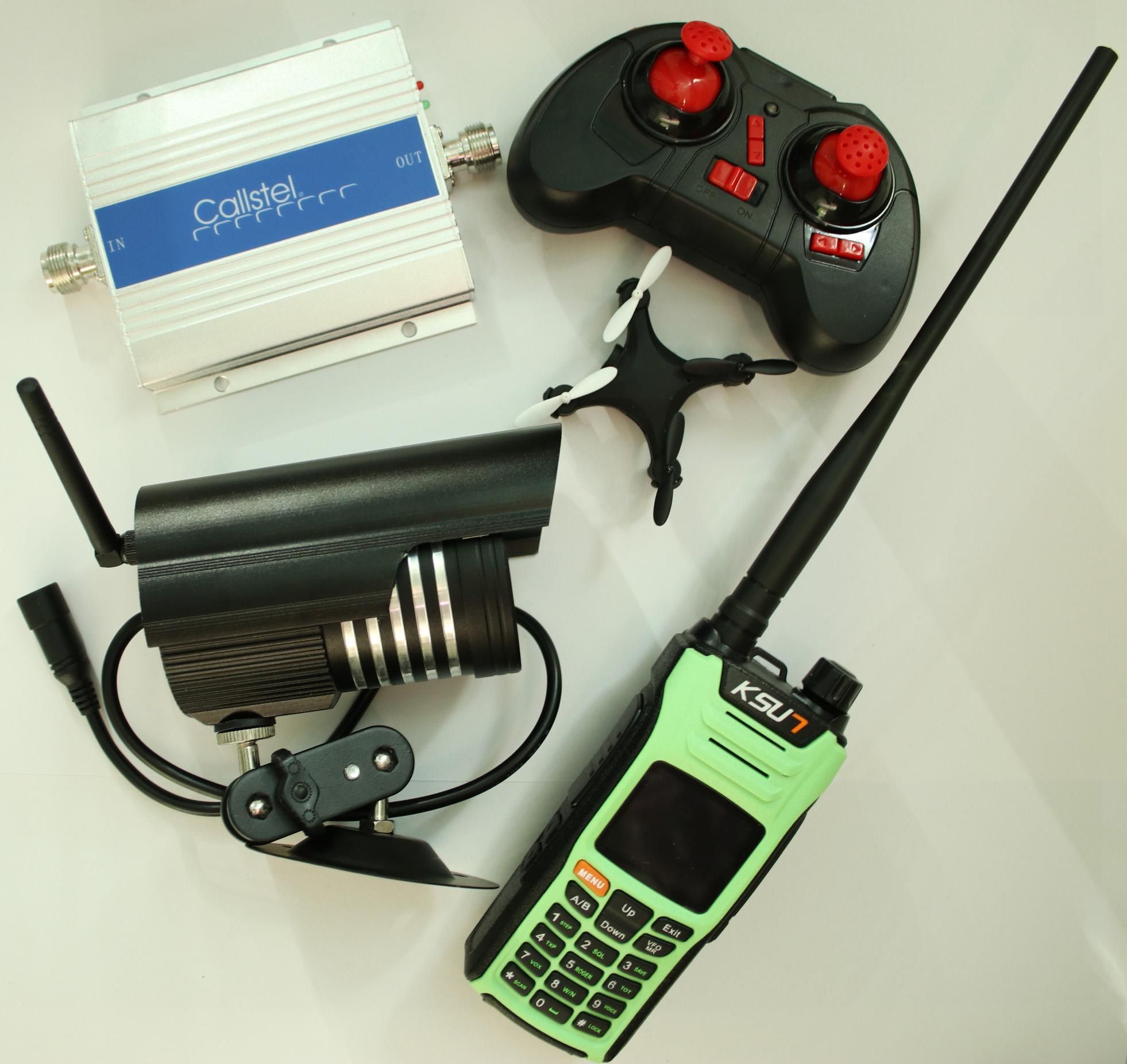
Interference transmitter (jammers)
Jammers can fully block mobile communication, impairing even emergency services. Misleading advertising often suggests legal use, but even owning these devices is illegal. Technological advancements have made these devices smaller and affordable, significantly increasing their potential to disrupt mobile telephony bands and other communication systems.

Laser pointers
Laser pointers can cause serious damage to health if used improperly. They are therefore subject to strict legal regulations in Switzerland. The customs authorities support the enforcement of the ban on their import and transit.